

Greetings to all readers and subscribers, and special greetings to the paid subscribers!
Please scroll down for the main topic of this newsletter. But first:

Here I’m reading the Italian edition of my first book “Tales of the Turing Church,” published by Moira in paperback and Kindle editions as “Turing Church: parabole e iperboli.” Now all my books are available in Italian translation.
Some of my recent writings published in Mindplex:
Ignition! Back to the Moon to stay, and beyond
NASA’a bold new plan to accelerate the Artemis program, build a Moonbase, and move on to Mars and the planets.
NASA launches Artemis II on first crewed lunar journey in over 50 years
Four astronauts test Orion spacecraft systems during a 10-day flight around the Moon and back to Earth.
Artemis II flies by the Moon
Reid Wiseman, Victor Glover, Christina Koch, and Jeremy Hansen fly around the Moon, Glover delivers powerfully inspiring Easter message.
Artemis II astronauts return to Earth after spectacularly successful mission
NASA has successfully completed its first crewed flight around the Moon in more than 50 years. The four astronauts splashed down safely after flying by the Moon.
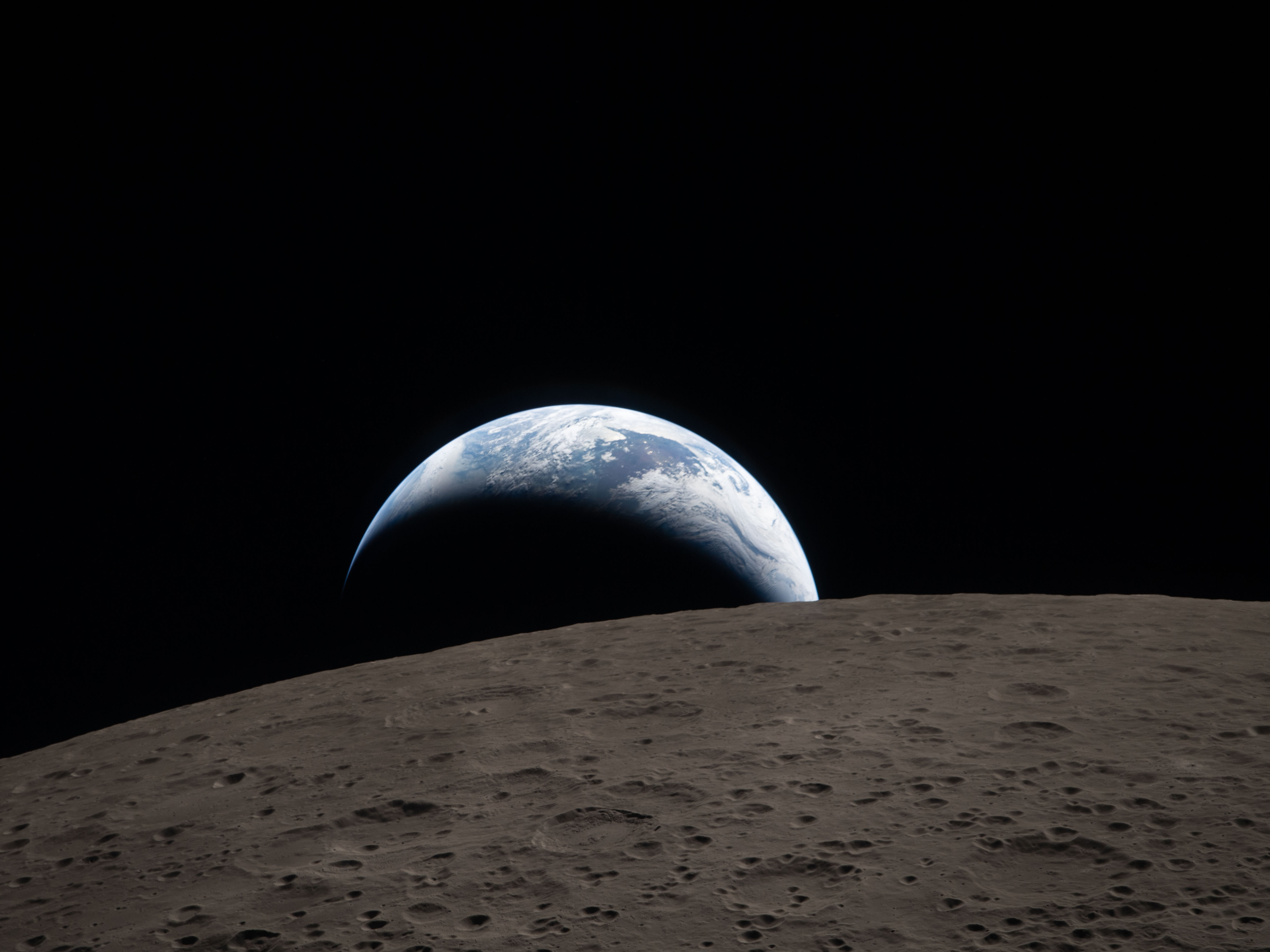
Here’s a new Earthrise, or better Earthset. This picture was shared by the White House with the text “Humanity, from the other side. First photo from the far side of the Moon. Captured from Orion as Earth dips beyond the lunar horizon.”
NASA’a Artemis II mission has been a spectacular success. Of course I’ve been glued to my screens and devices for the entire mission, from launch to splashdown.
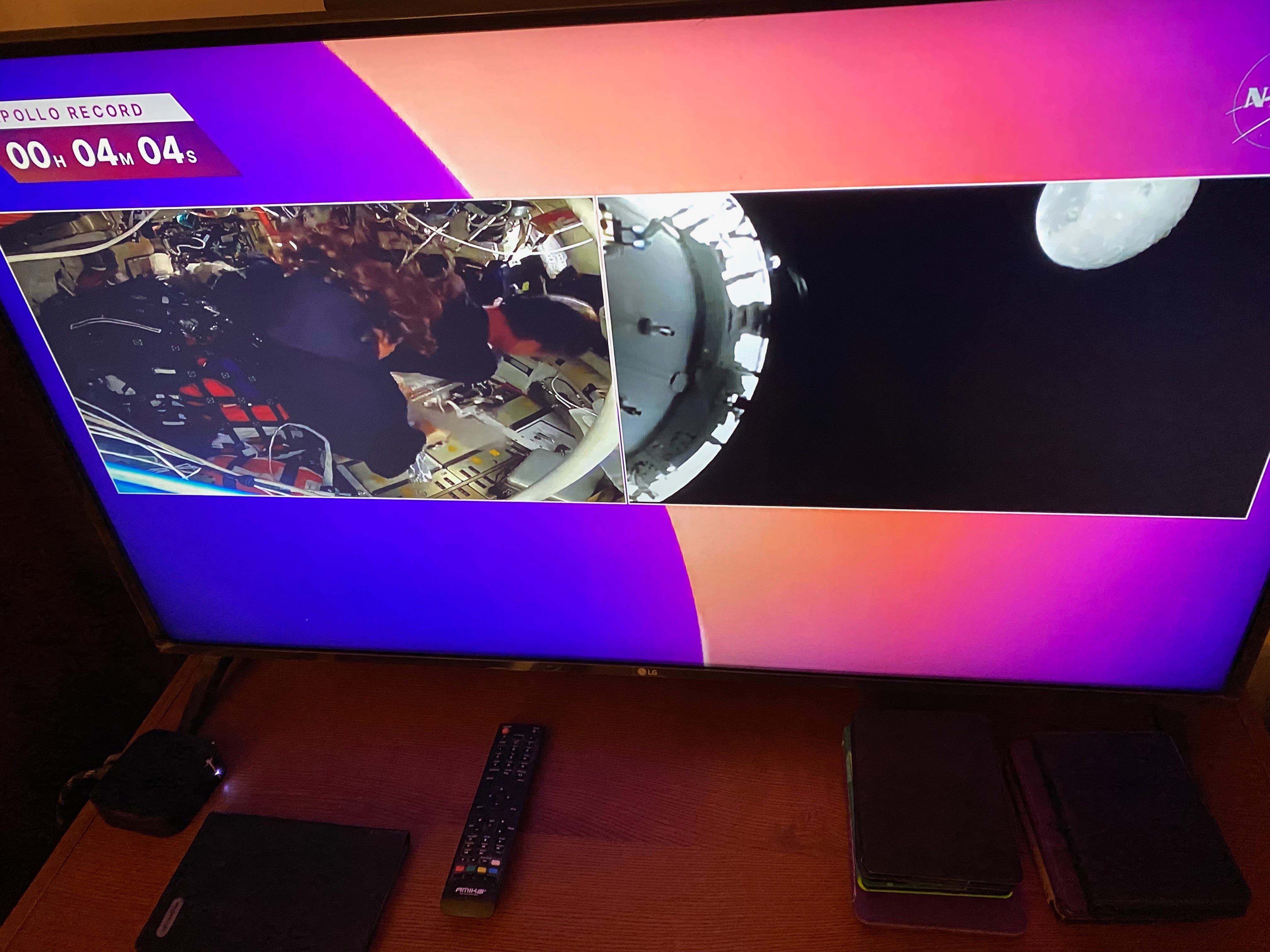
“It is imperative that we inspire the next generation of engineers, communicators, explorers,” said NASA’a Carlos Garcia-Galan. “We can only do that if we take you along with us,” he continued, referring to continuous video coverage of lunar operations. NASA is keeping the promise: we could watch the mission as as it happened in realtime high resolution. video, and then watch the recordings again. Well done!
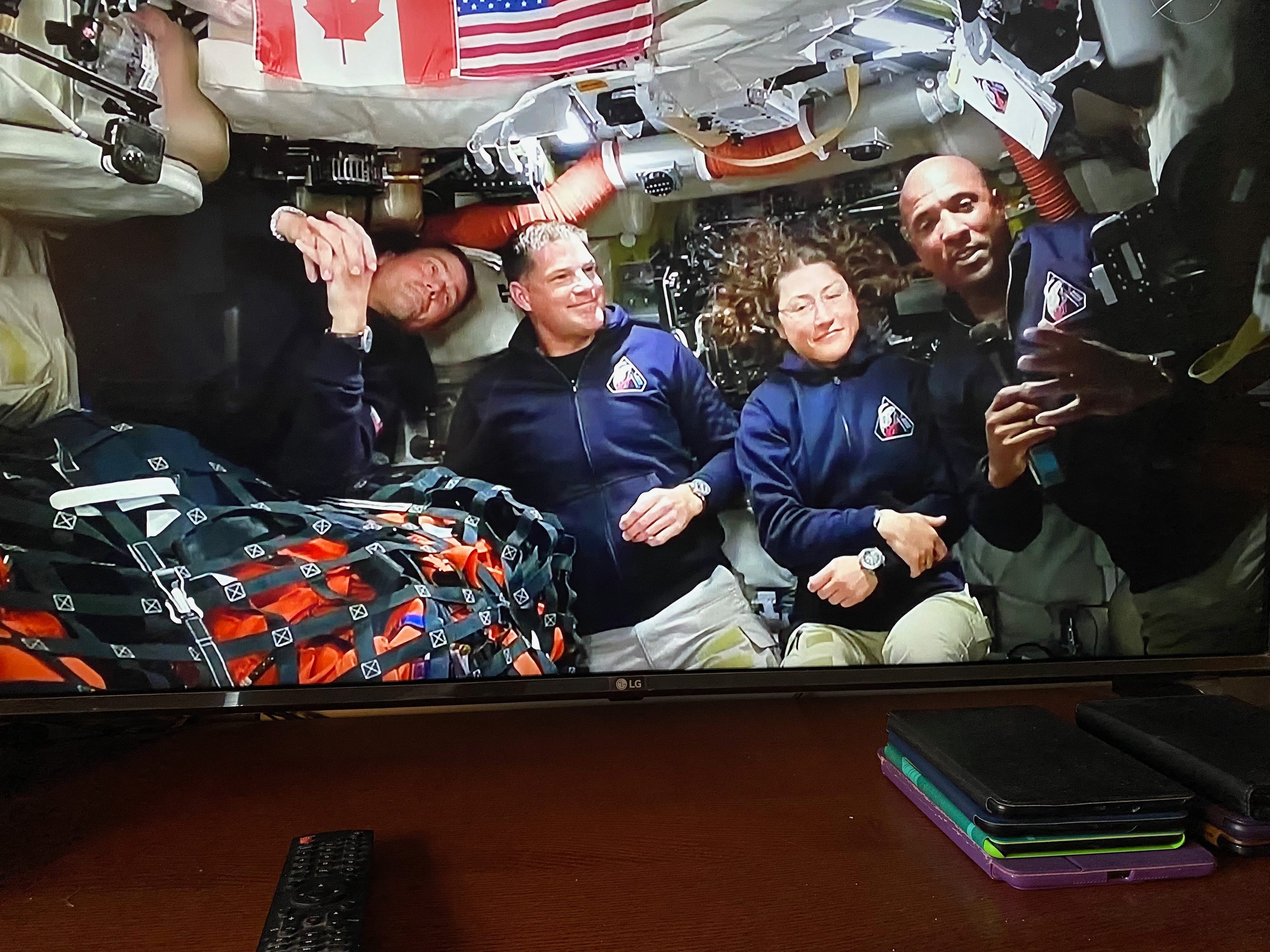
Victor Glover delivered a powerfully inspiring Easter message. Like Apollo 8, the Christmas 1968 NASA mission around the Moon, Artemis II has also taken place around a religious holiday.
We are “on a spaceship called Earth that was created to give us a place to live in the universe, in the cosmos,” said Glover. “And I'm trying to tell you - just trust me - you are special in all of this emptiness.”
Arguably, Easter is an even more powerful symbol than Christmas, because it represents the beginnings of renewal and resurrection. And what is Artemis II if not the beginning of a resurrection and renewal of the Space Age?
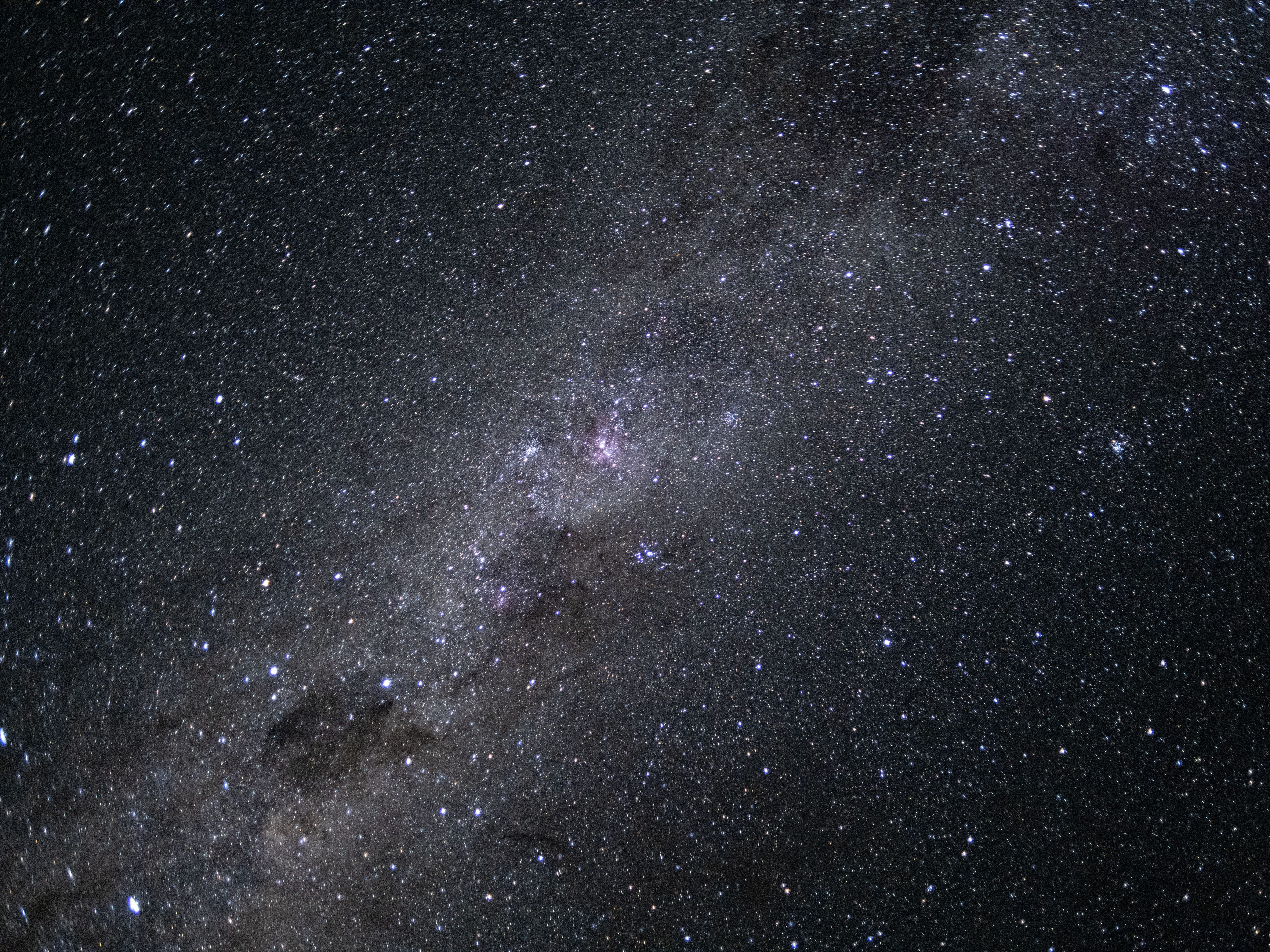
And here’s an inspiring prelude of things to come. “One day, we will be out there, among the stars,” posted Elon Musk. This picture is now my X profile banner.
This calls for enthusiasm, but don’t forget China. “I do see the United States getting there first but just barely, and I think that the Chinese have a better chance of getting a permanently crewed station on the moon first,” notes a space security analyst as reported by Andrew Jones.
I’m afraid I agree. I guess China doesn't even care about landing first - what they want is to be the first (and only) power to establish sustained lunar operations for mining (e.g. water, rare earths, Helium-3), military applications, and geopolitical dominance. The priorities of the US administration are volatile, and could radically change in 2028, but China is much more stable and plays to win in the long term. To me, this is not a big deal: if China must win, so be it.
And, much more importantly, don’t forget that elephant in the space mission control room: the strong likelihood that we, flesh-and-blood humans like you and me, won't lead humanity’s space expansion for long.
“Sometimes it seems that Apollo came before its time,” said Gene Cernan In his autobiographical book “The Last Man on the Moon.” Cernan, the commander of the Apollo 17 mission, the last Apollo mission to the Moon in 1972, added: “President Kennedy reached far into the twenty-first century, grabbed a decade of time and slipped it neatly into the 1960s and 1970s. Logic dictates that after Mercury and Gemini, we should have proceeded to build the shuttle, then an orbiting space station, and only then sought the Moon.”
These words echo those of Arthur Clarke:” As William Sims Bainbridge pointed out in his 1976 book, The Spaceflight Revolution: A Sociological Study,” said Clarke, “space travel is a technological mutation that should not really have arrived until the 21st century.”
Bainbridge’s book, written 50 years ago, is worth reading again. We could be in the early days of a better Spaceflight Revolution. This will be the theme of the next Terasem Colloquium on July 20 and the next issue of Terasem’s Journal, also to be published in July.